
Damage Control: Scene Turns
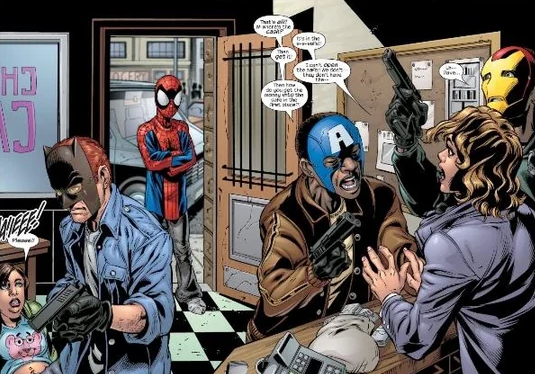
A Scene Turn is a moment waiting to happen. The scene that keeps getting worse while the heroes are busy punching, arguing, rescuing, investigating, or trying to hold everything together. It might be the portal widening, the bridge collapsing, the bomb timer counting down, the police arriving, the crowd panicking, or the villain’s backup plan coming online.
Players are told at the top of the scene that the Scene Turn will be coming, and know what that turn is, even if their character doesn’t.
Mechanically, the Scene Turn die works like a tiny Doom Pool, but instead of being a pool of dice, it’s a single die that only tracks one specific danger in the scene.
Most Scene Turns begin at d4.
The Scene Turn Die
The Scene Turn die usually starts at d4.
It can step up to d6, d8, d10, d12
If the Scene Turn die would step up beyond d12, the Scene Turn happens.
The Scene Turn die isn’t used in any rolls until the turn happens, so it works differently than a standard complication.
After the Scene Turn happens, the Watcher either removes the die, resets it to d4 with a new threat, or changes it into a complication, Scene Distinction, or active opposition.
What Steps Up the Scene Turn Die?
The Scene Turn die steps up when the scene slips out of control.
Step up the Scene Turn die when:
- A hero fails a roll.
- A hero rolls an opportunity. Only one opportunity per roll will step up the Scene Turn die.
- The Watcher spends a d10 from the Doom Pool during the scene.
- A hero ignores the obvious ticking problem in the scene.
- The fiction demands escalation because too much time has passed.
The key thing is that Scene Turns should not punish every little thing, they should create rising pressure. The heroes should feel the turn coming.
What Can Step It Down?
Heroes can take actions to slow, delay, or prevent the Scene Turn.
A strong effect die can step it down by more. As a simple guideline:
- A d10 effect steps it down once.
- A d12 effect steps it down twice.
Players might step down the Scene Turn by evacuating civilians, disrupting the ritual, jamming the signal, holding the collapsing wall, calming the crowd, disarming part of the bomb, blocking police access, or forcing the villain to react.
When the Scene Turn Happens
When the Scene Turn die would step up beyond d12, the turn triggers immediately.
The Watcher should make the result dramatic, visible, and consequential.
Examples:
- The portal opens.
- The bridge section collapses.
- The hostage is moved off-site.
- The bomb detonates in a limited way.
- The police breach the building.
- The crowd turns into a stampede.
- The villain escapes with the artifact.
- The ritual summons something through.
- The building’s power fails.
- The news helicopter broadcasts the worst possible moment.
The Scene Turn should change the scene. It shouldn’t just add a penalty.
Scene Turn Examples
The Bridge Is Giving Way
The heroes are fighting Rhino on a suspension bridge. Civilians are trapped in cars, cables are snapping, and every heavy impact makes the structure worse. The Scene Turn die steps up when heroes miss major actions, roll opportunities, or use destructive attacks without controlling the damage. If it triggers, part of the bridge collapses, creating Bridge Collapse d10 as a scene complication and putting civilians in immediate danger. Heroes can step it down by anchoring cables, moving civilians, reinforcing damaged sections, or luring Rhino away from weak points.
The Portal Widens
Doctor Strange and the Avengers are battling cultists while a portal to the Dark Dimension slowly opens above Manhattan. The Scene Turn die steps up when the heroes fail rolls against the cultists, or roll opportunities. If it triggers, something comes through. The Watcher adds Dark Dimension Incursion d12 to the scene or introduces a new threat. Heroes can step it down by disrupting chanting cultists, destroying ritual anchors, counterspelling the portal, or using mystic Assets.
The Cops Are Almost Here
Daredevil is interrogating a Maggia accountant in a warehouse when police sirens approach. The cops have bad information and think Daredevil is the threat. The Scene Turn die steps up when Daredevil fails social or stealth rolls, rolls opportunities, or makes too much noise. If it triggers, the police arrive and enter the scene as hostile opposition or create NYPD Has the Building Surrounded d10. Daredevil can step it down by moving the witness, cutting the lights, using his local reputation, or proving that someone else is responsible.
The Crowd Is Turning
The X-Men are trying to stop a Sentinel attack in public, but scared civilians are starting to blame the mutants. The Scene Turn die steps up when the heroes fail public-facing rolls, roll opportunities, or cause visible collateral damage. If it triggers, the crowd turns against them. Create Mutant Panic d10 or shift Public Opinion negative. Heroes can step it down by saving civilians, speaking to the crowd, exposing the Sentinel’s programming, or taking a visible risk to protect people who fear them.
Starting Above d4
Most Scene Turns begin at d4, but especially urgent scenes can start higher.
Use d6 when the danger is already moving.
Use d8 when the heroes arrive late.
Use d10 when the scene is already on the edge of disaster.
Examples:
Bomb Timer d8
Ritual Almost Complete d10
Hostage Being Loaded Into the Van d6
Building Already Collapsing d8
Starting higher should tell the players that they need to act now.
Multiple Scene Turns
Most scenes should have only one Scene Turn. For big set pieces, the Watcher may use two, but they should represent clearly different problems.
Example:
The Bridge Is Giving Way d6
Civilians Are Panicking d4
Don’t overload the scene with too many ticking dice. One strong Scene Turn is usually better than three vague ones.
About Mark Meredith


