
Friendly Neighborhood Stakes
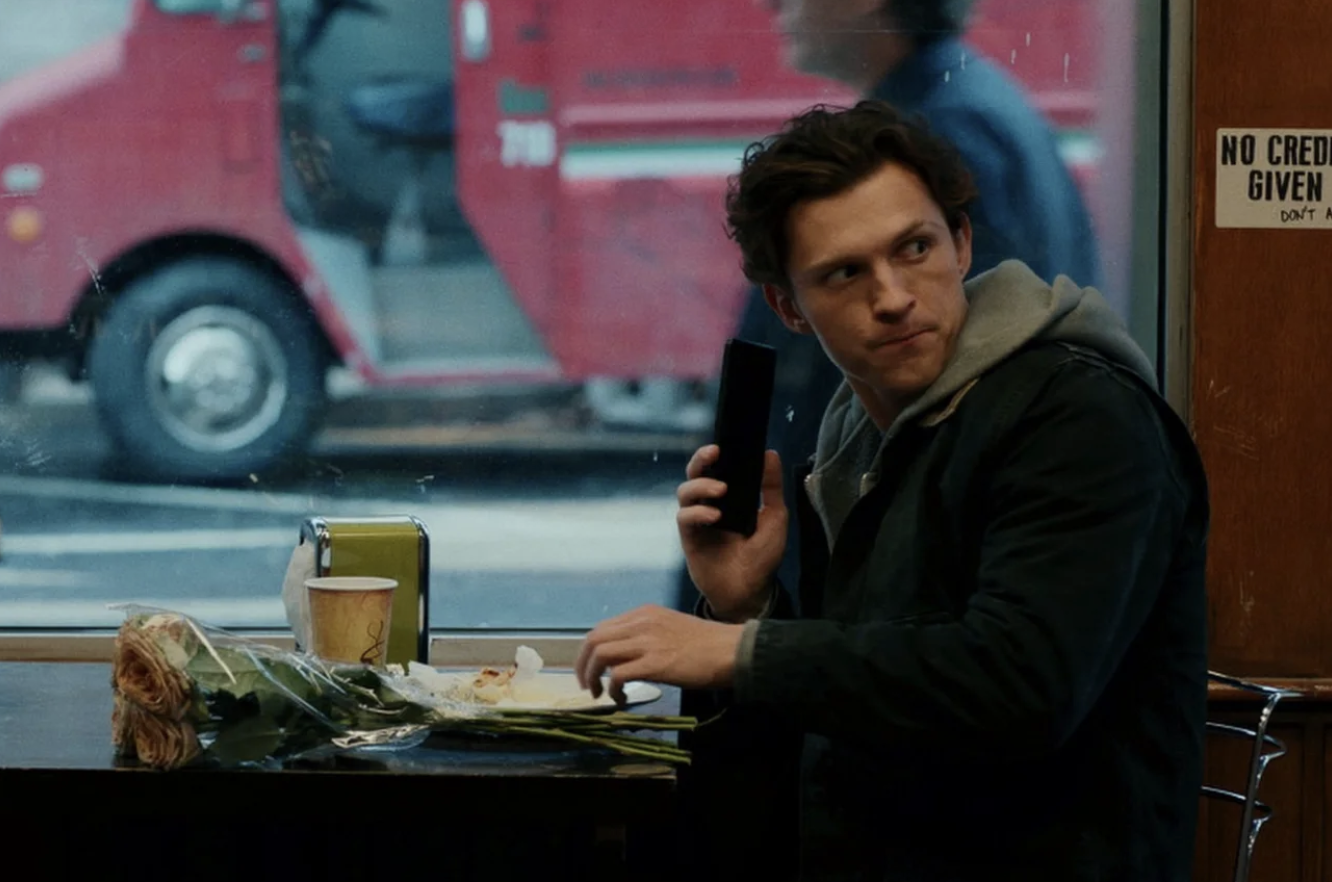
Spider-Man is one of the best superheroes in the world because his stories can make saving one person feel as important as saving the planet. Marvel Heroic can handle huge superhero battles, cosmic threats, world-ending events, and multiversal chaos, but Spider-Man often shines brightest when the problem is smaller, sharper, and much more personal. A landlord trying to force people out of an apartment building, a kid caught in the middle of a gang fight, a bodega owner being threatened by criminals, a witness who needs protection, a subway car full of people with no way out. These are the kinds of stakes that make a Spider-Man game feel like Spider-Man.
The players don’t need a long briefing to understand why a burning apartment matters. They don’t need a cosmic prophecy to know they should protect a school bus. They don’t need S.H.I.E.L.D., the Avengers, or a billionaire’s satellite network to tell them that someone is scared and needs help right now.
For Marvel Heroic, this means the Watcher should build scenes where the real danger is not just the villain’s attack pool. The danger is the situation around the fight. Spider-Man can probably beat a mugger, dodge a falling sign, or web up a getaway car. The question is whether he can do that while keeping civilians safe, avoiding property damage, protecting his identity, and stopping the villain before they escape.
A simple fight against Shocker becomes much more interesting when the scene includes Crowded Street Fair d8, Panicked Civilians d8, Unstable Power Lines d10, or Kid Trapped Under Debris d10. Suddenly, punching the villain isn’t enough. The heroes have to make choices. Do they stop the villain from escaping, or do they save the people first? Do they take stress to shield someone else? Do they let the bad guy get away because Spider-Man always saves the person in danger?
Victory is “the people are safe.” Sometimes that means the villain gets away. Sometimes that means Spider-Man takes the blame. Sometimes that means Peter loses the job, misses the class, ruins the date, or goes home with a torn suit and no money for rent. Those costs ARE the story.
Post-No Way Home Spider-Man is perfect for this kind of play. He has no easy support structure. No one remembers Peter Parker. He’s working with homemade gear, limited resources, and a life that can fall apart if he misses one too many obligations. That makes small stakes hit harder. A destroyed backpack, a broken web-shooter, a missed shift, or an angry landlord can matter because Peter doesn’t have much left to lose.
At the table, use scene distinctions that make the neighborhood feel alive. Try things like Corner Bodega Everyone Knows, Queens Apartment Block, After-School Crowd, Rooftop Water Towers, Subway Platform at Rush Hour, Rain-Slick Fire Escapes, or J. Jonah Is Streaming Live. These details remind the players that the city is full of people Spider-Man chooses to protect every day.
You can also make the rewards personal. A grateful kid gives Spider-Man a drawing. A shop owner leaves a sandwich on the roof. Someone in the crowd says, “He saved my brother.” These moments need to matter. Spider-Man keeps going because the city keeps giving him reasons to.
Friendly neighborhood stakes are about pressure, responsibility, and heart. They let Marvel Heroic scenes stay fast and colorful while giving every roll emotional weight. The next time you run Spider-Man, don’t start with the end of the world. Start with one person in danger, one villain making things worse, and one hero who knows he has to help. That’s all you need.
About Mark Meredith


