
Running Downtime and Social Interactions
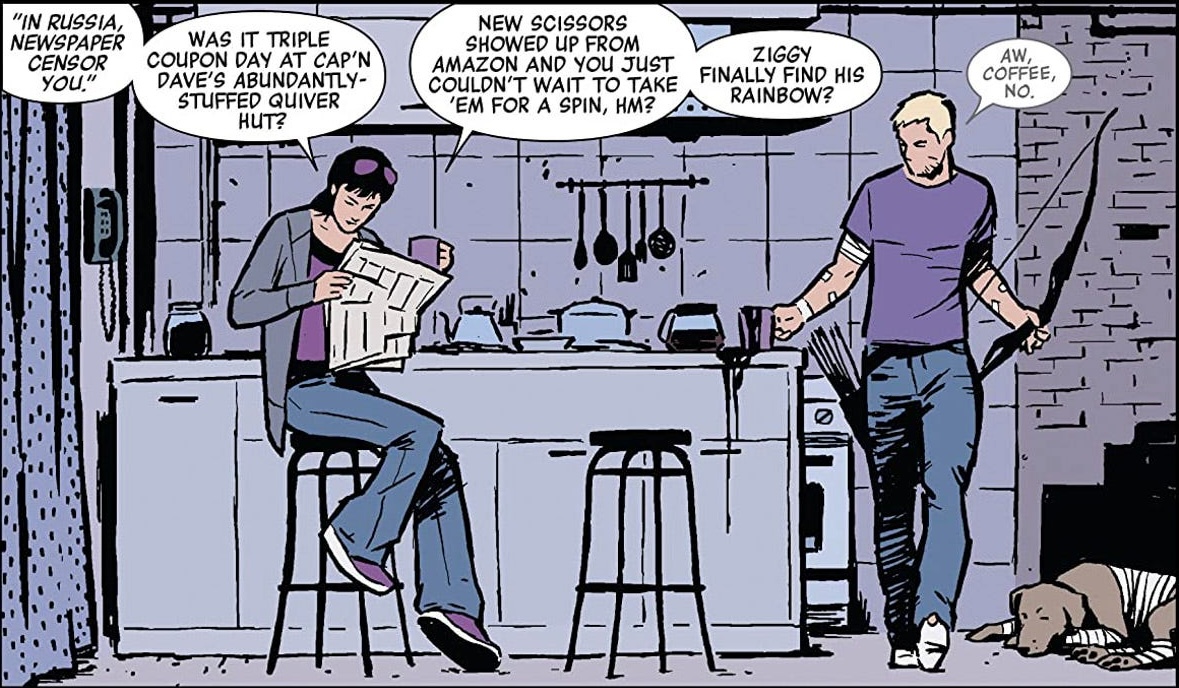
Marvel Heroic sessions often bring to mind huge action scenes: Heroes trade blows with villains, dodge cosmic blasts, leap across rooftops, and pull civilians from collapsing buildings. That is part of the fun. Superhero games should feel big, loud, colorful, and dangerous.
But some of the best moments happen after the fight. They happen when the heroes go home, return to the hideout, sit together in a diner, patch up their wounds, or stare at the news and wonder whether they made the right call. Those scenes matter. Downtime gives the heroes room to be people. It lets them process what happened, check in with each other, follow leads, argue, laugh, mourn, and remember why they put on the mask in the first place.
In Marvel Heroic, those scenes can be just as important as the battles. Downtime works like the space between acts in a play. The action scenes grab everyone’s attention, but the quieter beats help the story land. When the heroes gather after an ambush, worry over a missing ally, or argue about a risky decision from the last session, the tension shifts. The danger may no longer be physical, but the stakes are still real.
A hero who can lift a car might struggle to comfort a friend. A hero who can fly through enemy fire might feel helpless when dealing with family trouble. A hero who never hesitates in battle might second-guess every word in a tense conversation with a teammate. That is where character comes from.
Downtime also gives players the chance to define the world around their heroes. Ask where they go after a mission. Do they return to a cramped apartment? A rooftop garden? A half-functional base? A favorite coffee shop where the owner knows they always look exhausted?
A hero’s home, habits, and relationships can reveal as much as any power set. Maybe their apartment is bare because they never let themselves settle down. Maybe every room is covered in photos of family and friends because they are terrified of losing people. Maybe they keep trophies from old battles, or maybe they throw everything away because remembering hurts too much.
These are gifts for the Watcher. A news report in the background, a strange message under the door, a call from an old friend, or a neighbor asking for help can all grow naturally from these scenes.
Downtime is also where team dynamics come alive. Marvel stories are full of friendships, rivalries, grudges, romances, mentorships, and complicated family ties. Without quieter scenes, a team can start to feel like a collection of powers rather than a group of people. Let the heroes talk. Let them disagree. Let one hero confront another about taking a reckless risk. Let someone ask for advice. Let someone admit they were scared. Let the team celebrate a small victory with terrible takeout at two in the morning. These conversations can create emotional threads that pay off later. A disagreement after one mission might shape how two heroes work together in the next fight. A moment of trust might become the reason one hero risks everything to save another.
Downtime is also a great place to introduce mysteries. The plot doesn’t need to stop just because the punching has. A hero might find an old photograph that connects a trusted ally to the villain. A reporter might ask uncomfortable questions. A neighbor might mention disappearances in the building. A lab result might arrive with one detail nobody expected. These scenes let players investigate and make choices without being shoved from crisis to crisis. They can debate what to do next. They can decide who to trust. They can pursue the leads that matter most to them. That makes the campaign feel less like a straight line and more like a living world.
Downtime also gives heroes room to wrestle with their choices. In the middle of a fight, decisions happen fast. Later, the team has to live with them. Was it right to let the villain escape in order to save civilians? Should they have trusted that informant? Did they go too far? Did they hold back when they should have acted? These questions are perfect for Marvel Heroic because they turn action into consequence. The next battle means more when the heroes are carrying the emotional weight of the last one.
Downtime doesn’t have to take up a whole session, either. It can happen in small pieces: on the flight home, during a stakeout, while waiting for lab results, or in the five minutes before a press conference. A joke, a shared meal, a quiet apology, or a phone call can add texture to the campaign.
A full downtime session can also be a great change of pace after a hard arc. Give the players a chance to breathe. Let them reconnect with NPCs, visit personal locations, and decide what matters next. Those calm moments can also make the next crisis hit harder. When players have time to enjoy the people and places their heroes care about, the threat to those things feels sharper. The villain’s attack matters more because the players remember the diner, the apartment, the mentor, the kid down the hall, or the teammate who finally opened up.
And remember, downtime doesn’t always need to be heavy. Marvel stories need humor. Let the heroes banter, celebrate, train badly, play cards, argue over pizza toppings, or try to have one normal evening that doesn’t stay normal for long. Those lighter moments make the drama stronger. They remind everyone that these characters are not only icons, they are people trying to stay sane in a very strange world.
As Watcher, ask simple questions:
Where do you go after the fight?
Who do you check on first?
What does your hero do when nobody needs saving?
Who knows you well enough to tell when you are lying?
The answers can become NPCs, locations, subplots, and emotional anchors for the whole campaign.
Downtime and social scenes turn a good Marvel Heroic campaign into something richer. They give the battles context. They give the team history. They make the victories sweeter and the losses sting more. The punches matter more when everyone knows the person behind the mask.
About Mark Meredith


