
Location Datafiles in Marvel Heroic Roleplaying
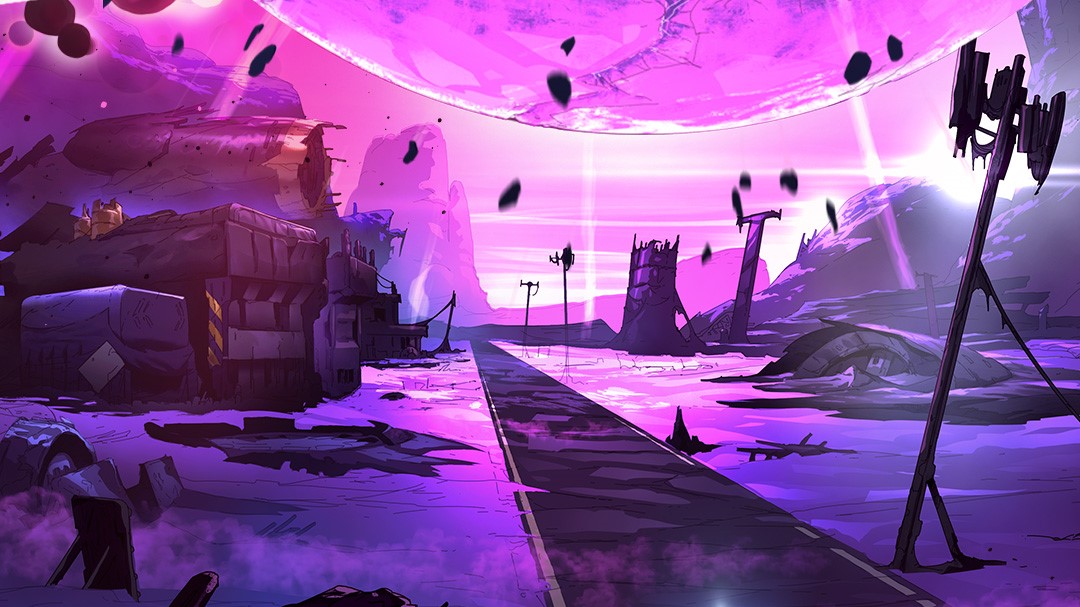
I am introducing Location Datafiles, a new experimental layer to your games, Location Datafiles.
Inspired by both Marvel Snap, Sentinel Comics, as well as the Spectaculars RPG, I wanted to make locations feel more important to the game. The first of these will be released tomorrow, so keep an eye out for that.
Location datafiles are meant to turn environments from passive scenery into active parts of the game. Instead of the fight simply happening somewhere, the location becomes part of the conflict.
Think about how often Marvel comics do this already:
Spider-Man fights while trying to stop a collapsing bridge.
The X-Men battle Sentinels inside a burning school.
The Avengers try to contain a reactor meltdown while Ultron attacks.
Daredevil chases criminals across rooftops while civilians below are caught in the middle.
The location is constantly shaping the action. That is what these datafiles are built to do.
What a Location Datafile Actually Is
A location datafile is essentially a shared scene resource.
It provides:
- Distinctions
- Powers
- SFX
- Limits
- Stress tracks
- Complications
The location acts like a supporting character or environmental threat. Sometimes the heroes use it, sometimes the Watcher uses it against them, usually both.
Players can swap out their distinction in a scene for one of the Location’s. Players can use Powers and SFX like they would an additional Power Set. But their enemies can, as well.
Step One: Put the Datafile in the Middle of the Table
When the scene begins, place the location datafile where everyone can see it.
The players should immediately understand:
- What kind of environment this is
- What dangers exist
- What opportunities exist
- What can go wrong
For example:
Subway Station
Players instantly know:
- Civilians are trapped
- Trains are hazards
- Visibility is poor
- Space is tight
- Power failures matter
That immediately changes how people approach the scene.
Step Two: Let Players Use the Location
Players should absolutely be allowed to use the location’s powers and distinctions in their dice pools when appropriate. If someone is fighting in an Amusement Park, they should be able to:
- Swing from ride supports
- Throw carnival equipment
- Use mirrors in a funhouse
- Trigger emergency systems
- Leap between moving rides
If someone is in Hell’s Kitchen:
- They might call on neighborhood contacts
- Escape across rooftops
- Use alleyways to hide
- Get information from witnesses
The location should encourage cinematic thinking. If players start interacting with the environment constantly, the system is working.
Step Three: Use the Location Against the Heroes
The Watcher should aggressively use the location to escalate tension. Not every threat needs to come from villains. The scene itself should evolve.
Examples:
- The bridge begins collapsing
- A reactor overloads
- Civilians panic
- Floodwaters rise
- Security systems activate
- A runaway train barrels into the station
This keeps scenes dynamic.
The best Marvel fights are rarely static.
Step Four: Create Complications Constantly
Location datafiles work best when complications are flowing through the scene.
A boring fight:
“Hydra agents attack.”
A Marvel fight:
“Hydra agents attack while the chemical tanks rupture and workers flee through spreading fire.”
Complications create decision-making pressure.
Heroes now must decide:
- Fight villains?
- Save civilians?
- Stop the disaster?
- Escape?
- Protect evidence?
- Prevent escalation?
Now the scene feels like a comic book.
Step Five: Stress the Location
This is where the system really comes alive. Locations should take stress just like characters.
A Helicarrier might take:
- Structural Stress
- Systems Stress
Hell’s Kitchen might take:
- Public Stress
- Criminal Pressure
A Shopping Mall might take:
- Chaos Stress
- Public Stress
Once stress builds high enough, Trauma happens.
Examples:
- The building collapses
- The public turns hostile
- The station floods
- The neighborhood erupts into panic
- The reactor melts down
- The prison experiences a mass breakout
This gives scenes escalation and momentum.
Step Six: Use Doom Pool Interaction
Location datafiles work beautifully with the Doom Pool.
Step up Doom when:
- Civilians are endangered
- Environmental damage spreads
- Panic escalates
- Systems fail
- Time runs out
This creates a natural comic-book escalation curve. The bigger the fight gets, the more dangerous the environment becomes. Exactly like the comics.
Step Seven: Let Locations Leave Consequence
One of the best parts of using location datafiles is that places develop history.
The players remember:
- The bridge they failed to save
- The neighborhood they protected
- The museum they accidentally destroyed
- The Helicarrier that crashed
- The hospital evacuation they barely pulled off
Locations become recurring characters in the campaign. That is how Marvel universes feel connected.
Don’t Think of These as Maps
This is important. These are not tactical terrain systems. They are narrative engines. What dramatic thing is happening around you right now? That is the energy these location datafiles are designed to create.
–
Tune in tomorrow for a Location Datafile that is tied to the characters appearing over the next couple of weeks.
About Mark Meredith


