
Mastering the Doom Pool for Dynamic Drama
Crafting a challenge for your heroes often comes down to how well you wield the Doom Pool. Everyone knows the basics: as the Watcher, you gather dice into the Doom Pool, spend them to create complications, power up villains, or up the stakes of a scene, and watch players respond as tension escalates. But there’s a subtle art to using the Doom Pool so that it pushes the heroes without crushing them and keeps everyone invested in the unfolding drama. Done right, it’s not just a pool of dice; it’s a living reflection of the story’s rising stakes and the emotional arcs playing out at the table.
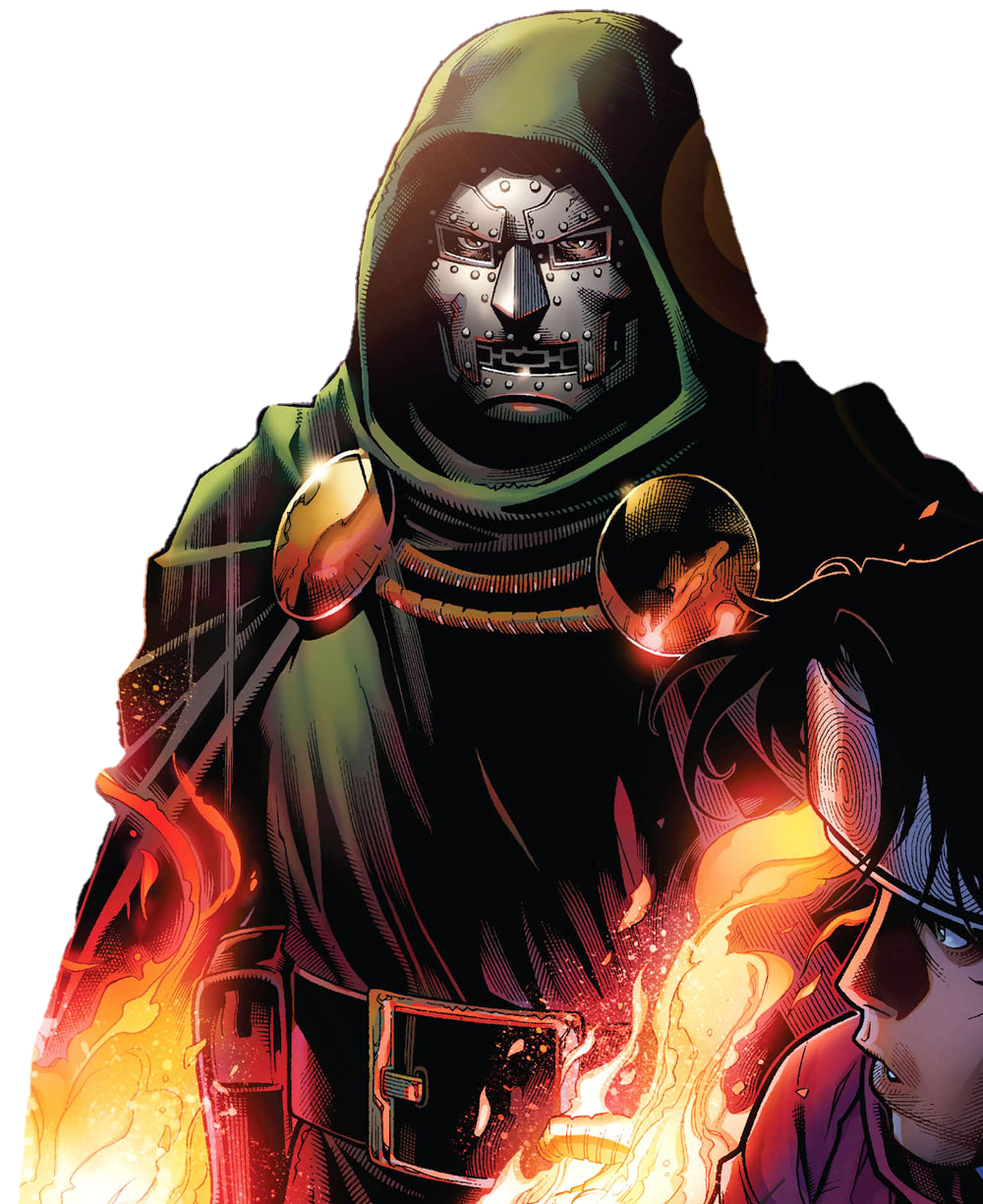
Start by considering the narrative rhythm of your event. Early scenes don’t need a Doom Pool brimming with big dice, because the heroes are just getting their footing and the story is still coming into focus. Dropping a huge pile of dice on them right away can feel like you’re slamming the gas pedal before they even put on their seat belts. Let the opening acts breathe. The players need room to experiment, show off their character’s personalities, and get comfortable with the story’s setting. This doesn’t mean you have to hold back entirely—just resist the urge to escalate everything at once. A slow burn of tension feels more organic, and the Doom Pool should mirror that slow build. If the players feel they have some initial control, it’ll make later escalation hit harder.
As the story progresses, pay attention to how the characters are handling challenges. If they’re breezing through every conflict without breaking a sweat, it might be time to tap into the Doom Pool more aggressively. Raise the stakes by adding scene distinctions that suddenly shift into complications, or by powering up an important antagonist mid-conflict. On the other hand, if the heroes are struggling and looking visibly stressed at the table, don’t feel obligated to push even harder. Sometimes the Doom Pool is best spent on narrative twists rather than piling on more danger. Maybe instead of another assault by the villain, you use the Doom Pool to trigger a sudden environment change or reveal a crucial clue, guiding the story into a new direction. The players will still feel the tension, but now it’s tension that leads to plot development rather than simply beating them down.

The Doom Pool should encourage players to take risks and lean into their characters’ heroic identities. Consider how you’re framing its use. If you only use it to make their lives miserable, they’ll see it as an adversarial resource that the Watcher wields with no nuance. But if you spend it in ways that highlight the story’s themes, they’ll come to respect it as part of the narrative engine. For example, imagine a scene where the heroes are trying to evacuate civilians from a burning building while an enemy tries to pin them down. You could use the Doom Pool to complicate their rescue efforts: a stairwell collapses, forcing them to split up or find a daring new route. Sure, it makes their job harder, but it also gives them a moment to shine, whether by pulling off a dramatic rescue or using their powers in a clever new way. The Doom Pool didn’t just spike the difficulty; it gave the scene more depth and emotional resonance.
Another tactic is to let the players see the Doom Pool building so that its presence becomes part of the tension. When they watch you gather dice from their opportunities, they know trouble is brewing. This can influence how they act. Some players may try to minimize giving you those chances, playing more cautiously. Others can accept the trade-off, giving you opportunities because they’re confident they can handle what comes next. By keeping the Doom Pool’s growth visible and meaningful, you involve the players in its management. It’s no longer just your secret weapon; it’s a shared resource that everyone at the table respects. This transparency turns it into a storytelling prop: every time you drop another die in, the players know it’s fueling the narrative engine, setting them up for climactic confrontations and hard choices down the line.
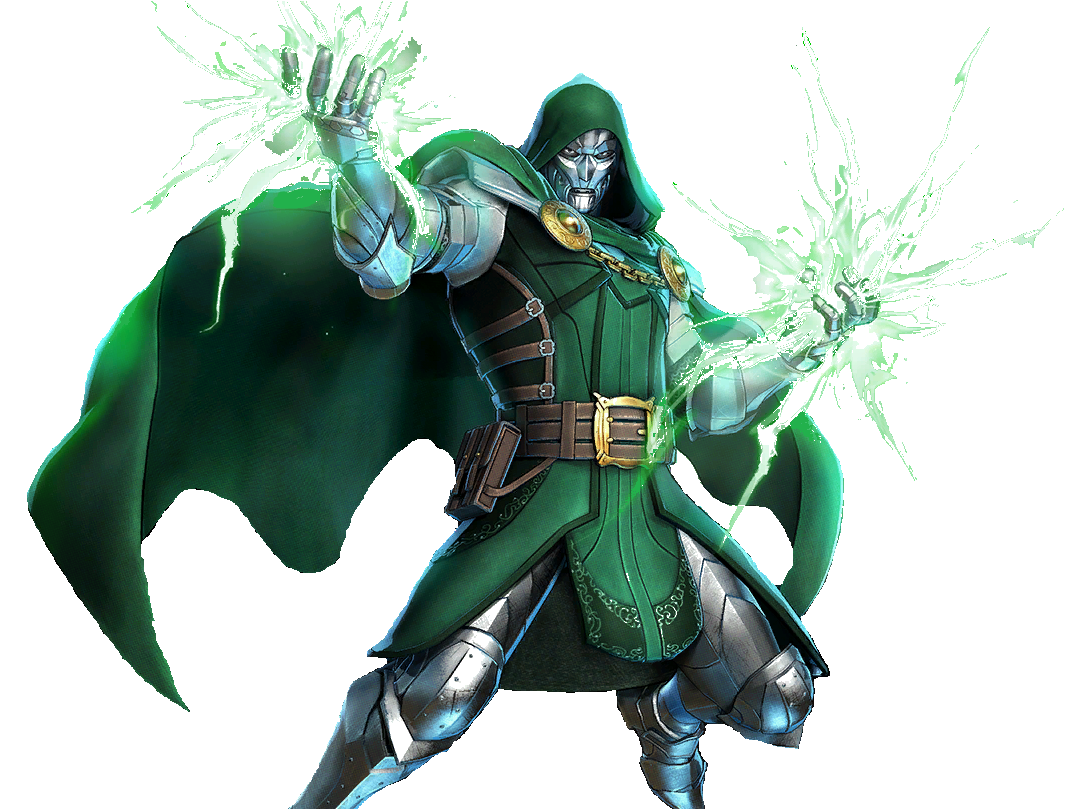
The Doom Pool can also be used to facilitate meaningful setbacks rather than just endless escalation of combat difficulty. Instead of always spending dice to push the heroes toward defeat, consider spending them to create narrative forks in the road. Maybe you use the Doom Pool to introduce a time-sensitive dilemma, forcing the heroes to choose who they save or which objective to prioritize. This approach shifts the Doom Pool from being purely adversarial to being a narrative catalyst. The players feel challenged not just physically, but emotionally, and that makes their eventual successes more rewarding.
It’s also worth experimenting with the pacing of your Doom Pool expenditures. Sometimes, holding onto the dice and letting them accumulate can create a palpable tension at the table. The players see you hoarding a big handful of dice and wonder when you’ll drop the hammer. This anticipation can be as thrilling as the actual moment you spend them. When you finally do spend those dice, make sure it’s on something worthy of all that tension. A major plot twist, a villain’s grand reveal, or a climactic environmental disaster all feel more dramatic when everyone knows how much you’ve been building up to it.
Just don’t forget that your goal is not to defeat the heroes outright. Sure, Marvel stories often involve cosmic threats and epic showdowns, but the heroes usually emerge triumphant in some way. If the Doom Pool is always used to crush them, it’ll start to feel less like a storytelling device and more like a blunt instrument. Instead, use it to keep the heroes on their toes, force them to think creatively, and occasionally knock them down a peg before they rally back. The beauty of the Doom Pool is its flexibility. It’s not just about making foes tougher; it can transform the environment, introduce new story elements, and keep the pacing sharp.
If you find yourself unsure how to spend your Doom Pool dice, think about the scene’s emotional core. What do you want the heroes (and players) to feel right now? If you want them to feel desperate, spend the Doom Pool on something that closes off their easiest escape route. If you want them to feel heroic, spend it on a complication that forces them to pull together as a team. If you want them to question their assumptions, use it to reveal that the situation is more complex than they realized—maybe an apparent villain is actually a misunderstood ally, and the real threat is lurking elsewhere. By connecting your Doom Pool use to the emotional heart of the scene, you turn mechanics into drama.
As you gain more experience using the Doom Pool, you’ll develop a sense for when to push harder and when to ease off. Pay attention to the players’ body language and listen to their reactions. If they’re laughing, leaning forward, and engaging with the story, you’re on the right track. If they seem frustrated, confused, or disengaged, consider adjusting your tactics. Maybe scale back the immediate threats and focus on narrative complications that open up new avenues of play. The Doom Pool is at its best when it’s part of a conversation between you and the players, even if that conversation is largely nonverbal. They act, you react, and together you create a story that’s more than just a sequence of rolls.
The Doom Pool should feel like a natural extension of the Marvel Heroic experience. It’s there to represent tension, raise the stakes, and keep everyone guessing. It’s not about winning or losing; it’s about guiding the story to heights of drama and excitement. When the players walk away from a session talking not just about what their heroes did, but about how the scenes felt and the difficult choices they faced, you’ll know you’re using the Doom Pool effectively. It’s a subtle art, but with practice, it becomes second nature. Your players will feel the difference every time those dice hit the table.
About Mark


 Marvel Plot Points