
Crafting Engaging Marvel Hero Datafiles
Creating a strong hero or villain datafile in Marvel Heroic can feel like blending just the right ingredients to cook up something memorable. Even though the system gives you a solid blueprint for what a datafile should include—affiliations, power sets, specialties, distinctions, and milestones—the art of making your character’s sheet something that sings at the table isn’t always as straightforward as plugging in numbers. We all know how it feels to skim through a pile of official character files and notice how some jump out right away, while others look lifeless. The difference often isn’t in how well they’re balanced, but rather how authentically they capture the character’s spirit and story. That’s what we’re after: datafiles that not only represent a hero’s or villain’s abilities, but also get players immediately invested in what makes them tick.
A big part of this process begins with thinking about character concept first and statistics second. The Marvel universe is brimming with dramatic backstories, deep personal conflicts, and unique motivations. To bring that same richness into your own character creations, start by reminding yourself who the character is when they’re not punching through walls or zapping energy beams. Ask yourself what they believe in, what they’re trying to accomplish, and why their methods matter. If you start with a strong idea of what kind of personality you want to put forward—and what dramatic tension lies at their core—then the mechanical elements of the datafile will follow more naturally. Instead of just tacking on a power set, you’ll be adding abilities that reflect their personal struggles and highlight why those powers are important. If the character is a grizzled veteran hero who’s always stepping up to protect civilians even when it puts them in harm’s way, you might choose to reflect that in their distinctions and specialties. A datafile’s small touches, like a distinction named “World-Weary Protector” or “Haunted by the Past,” instantly give the GM and players a sense of what kind of stories this character inspires at the table.
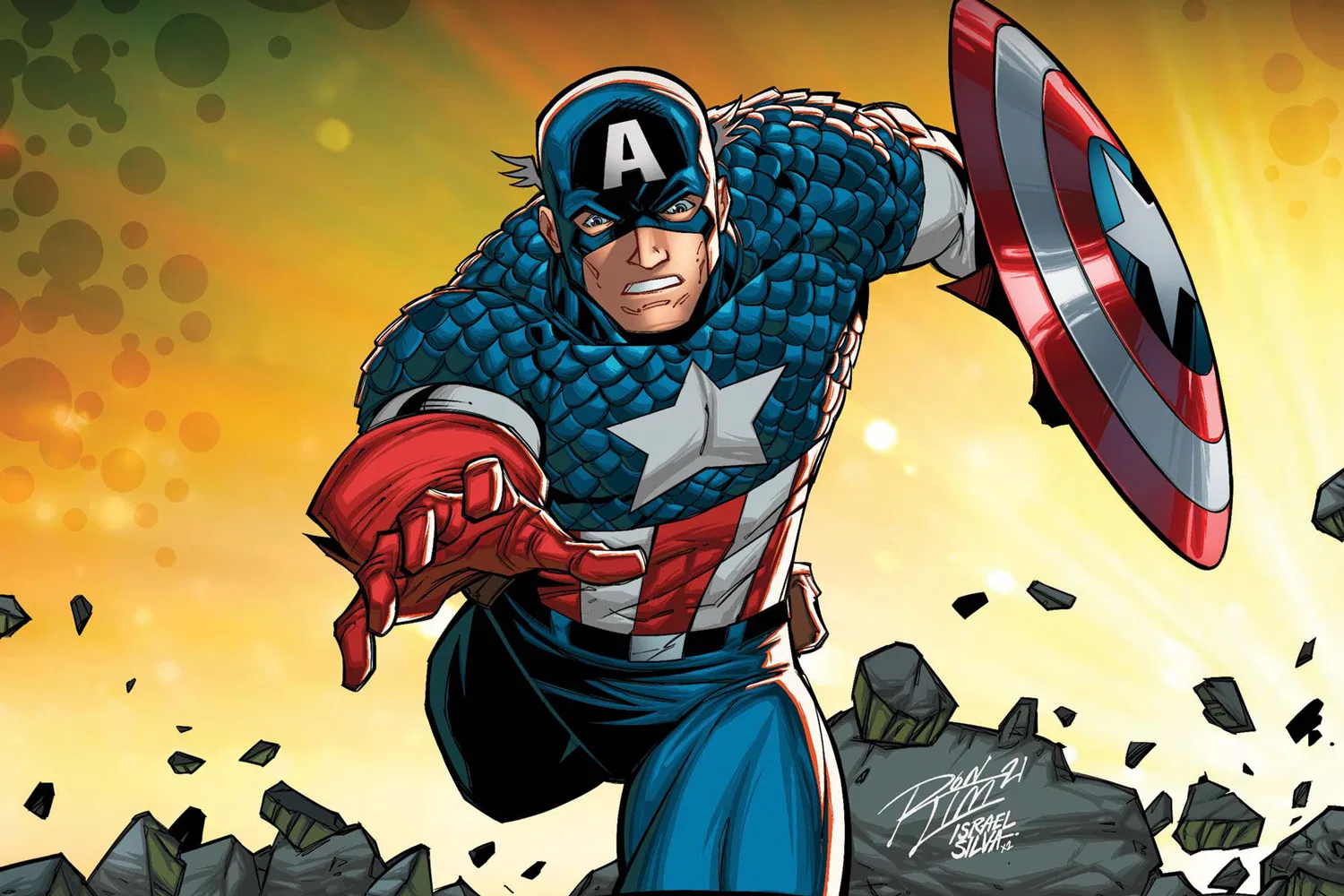
Don’t be afraid to create datafiles that tell a story without anyone having to read a long biography. Sometimes a single distinction can say more about a character’s outlook than a page of backstory. If you’ve ever read through official character files, you may have noticed how a great distinction can paint a picture. Take a look at something like “Man Out of Time” for Captain America—it doesn’t just inform you that he’s a time-displaced hero; it sets a tone. It suggests the fish-out-of-water stories he’ll generate and the conflicts he’ll face. Similarly, for a villain, something as simple as “Ruthless Crusader” can communicate not only their methods, but also the hint of some bigger mission, whether that’s purging corruption from the city or enforcing their own twisted moral code. Distinctions are a subtle but powerful way to seed narrative hooks right into the mechanics.
Your goal is to craft datafiles that don’t feel like generic templates. If you find yourself looking at a datafile and it reads like a grocery list of powers, pause and consider what can bring it to life. Maybe it’s a new SFX that riffs off the character’s unique quirk, or a limit that isn’t just a mechanical drawback but also a story-driven weakness. Limits aren’t just there to make sure a character isn’t overpowered; they can be narrative gold if you frame them right. Think about a hero who draws power from an unstable energy source. Sure, you could just call it “Unstable Power” and leave it at that, but what if you phrase it in a way that suggests dramatic tension—something like “Haunted by the Core,” indicating that this power source isn’t just unstable, but something that weighs heavily on them. Now, every time that limit is triggered, it’s not just a mechanical hiccup; it’s a reminder of the inner conflict that the character struggles with.

When picking milestones, remember that they’re more than just a way for players to earn XP. They guide the story forward by rewarding certain behaviors or actions. Well-crafted milestones shine a spotlight on what makes the character unique. If your hero’s story is about overcoming their fear of failing the innocent, a milestone will push them to take selfless risks or protect bystanders in big conflicts. For a villain, maybe the milestones revolve around their moral compromises or achieving a particular dark agenda. The key is that the milestones feel tailored to that character’s personal narrative, so players are inspired to lean into the character’s identity. This helps make sure that each datafile isn’t just a mechanical object on the table, but a storytelling engine that drives the group toward meaningful moments.
Another aspect that can elevate a datafile is building in a sense of progression or change. Consider how the character will evolve over time and what that looks like within the confines of the rules. Even if you’re creating a character who’s supposed to be pretty stable, having a datafile with room for narrative growth encourages dynamic play. Maybe one of their SFX becomes more powerful when they’ve confronted certain personal demons, or a limit can be transformed into a source of strength after a character achieves a milestone. You don’t have to rewrite the character mid-event, but leaving hints that the datafile can grow organically gives both the player and the Watcher something to look forward to.
Try not to lose sight of what makes Marvel Heroic unique. It’s a game that thrives on character-driven conflict, drama, and evolving storylines. A good datafile isn’t just a static sheet; it’s a collection of storytelling cues that the group can latch onto. That’s why it’s worth taking the time to fine-tune the language you use, the names you give your power sets and distinctions, and the nature of your SFX. You’re not just labeling abilities; you’re setting the stage for the kind of Marvel story your table will tell. Think back on the comics you’ve read. The best characters aren’t defined solely by their power levels or the cool tricks they can do; they’re defined by their struggles, moral dilemmas, and relationships. Your datafile should capture that same essence so that when a player picks it up, they can instantly imagine what it’s like to step into that character’s shoes.
If you find yourself stuck, it sometimes helps to picture the character outside of a fight. What do they do when they’re not trading punches with supervillains or hurling energy bolts at cosmic threats? Where do they live? Who do they trust? How do they relax, or do they even know how to relax? Questions like these can prompt you to come up with distinctions, specialties, or limits that show another side of the character. Maybe you realize that your cosmic warrior is terrified of losing the respect of their mentor and that fear becomes a distinction or a limit. Maybe your street-level hero’s gritty neighborhood life influences their specialties, making them better at blending into crowds or intimidating low-level thugs. This approach makes sure that you’re never relying on just one aspect of the character to define them.
Building a better datafile is about taking the time to understand your character’s heart and soul. If you start from a place of authenticity—what the character believes, what they fear, what they hope to accomplish—then every mechanical choice you make will feel more meaningful. That’s the sweet spot.
When you sit down to run a game or hand a player their new hero or villain sheet, you want to see their eyes light up at the possibilities. You want them to be excited not just about the cool powers, but also about the stories that those powers will help them tell. That’s the difference between a forgettable character and one who leaps right off the page. It’s what makes building datafiles in Marvel Heroic a creative and rewarding process. And once you’ve tasted that satisfaction, you’ll never look at a character datafile the same way again.
About Mark


 Marvel Plot Points